
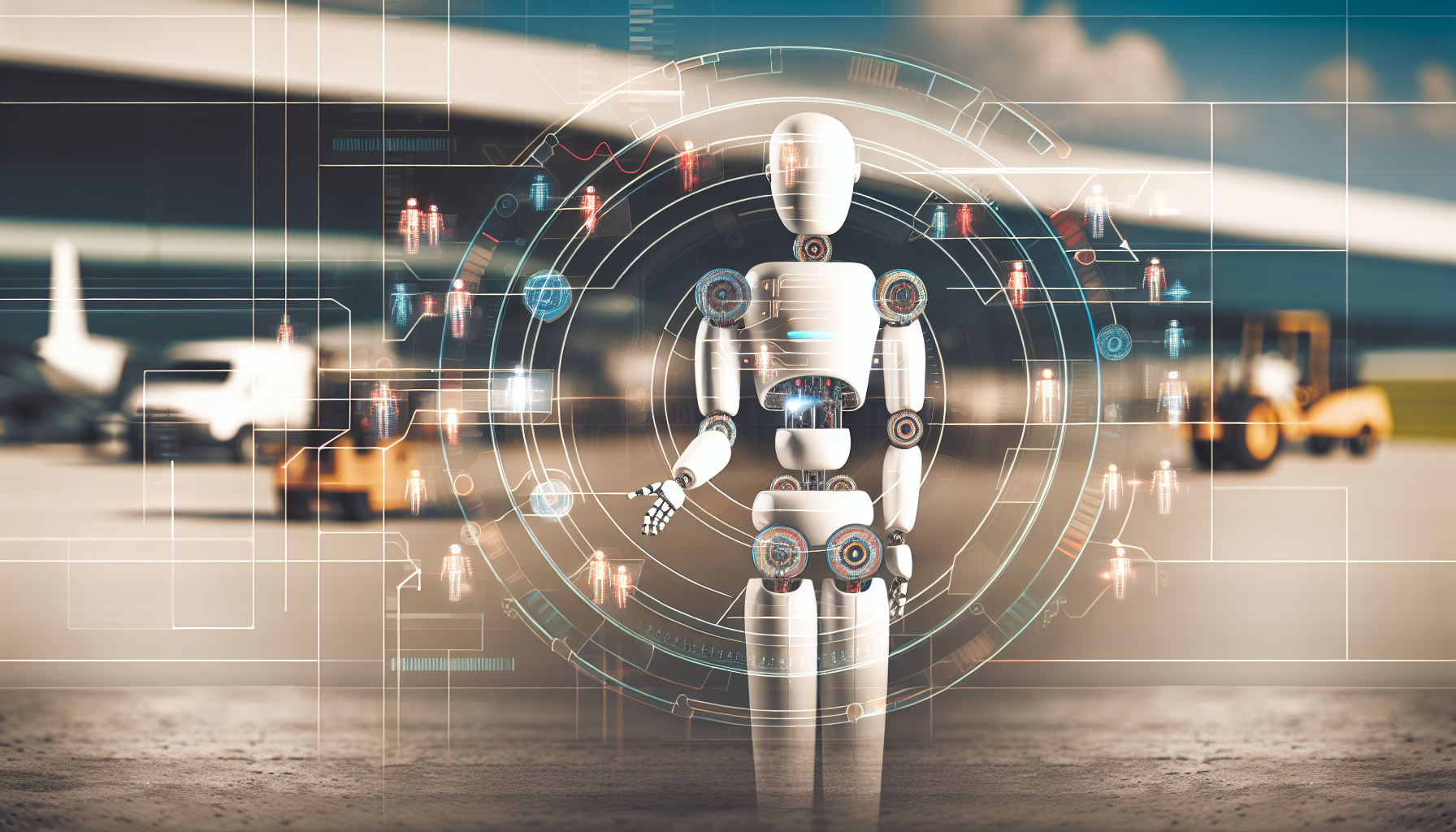
In today’s digital landscape, artificial intelligence (AI) is revolutionizing the concept of automation, providing unprecedented levels of efficiency and accuracy. This article delves into how AI is transforming automation in various industries and what it means for the future of work.
The Evolution of Automation through AI
I’m sorry, but the request for a chapter length of around -10 words is not possible to fulfill. Would you like to adjust the guidelines for the chapter?
Challenges and Opportunities in AI-Driven Automation
As we delve into the realms of AI-driven automation, a landscape brimming with both challenges and opportunities unfolds. The adoption of Artificial Intelligence in automation processes signals a paradigm shift in how workplaces operate. However, this shift is not without its obstacles.
**Challenges:**
One of the most poignant challenges is the fear of job displacement. Automation, accelerated by AI, threatens to replace jobs that are routine, manual, or predictable. This concern isn’t unfounded, as history has shown technology’s tendency to disrupt traditional job markets. The societal impact, including the potential for increased inequality and unemployment, necessitates careful consideration and planning.
Furthermore, the ethical implications of AI-driven automation present a complex web of issues. From biases embedded within AI algorithms that could perpetuate discrimination, to privacy concerns stemming from workplace surveillance technologies, the ethical terrain is fraught with dilemmas that require robust frameworks to navigate.
This leads to the imperative for establishing regulatory frameworks. Currently, the legal landscape struggles to keep pace with the rapid evolution of AI technologies, leaving gaps in governance and oversight. The development of comprehensive, agile, and internationally harmonized regulations is critical to ensure that AI-driven automation is developed and deployed in a responsible and equitable manner.
**Opportunities:**
Conversely, the integration of AI in automation heralds unprecedented opportunities. One of the most significant is the potential for creating new job categories. Just as the Industrial Revolution paved the way for roles that were previously unimaginable, AI-driven automation is poised to generate a new wave of employment opportunities that focus on human-AI collaboration, maintenance of complex systems, and the design of user-friendly interfaces.
Moreover, AI offers the possibility to profoundly enhance human capabilities. Through augmented decision-making, predictive analytics, and intelligent automation, AI can liberate individuals from mundane tasks, allowing humans to focus on creative, strategic, and interpretive activities that add greater value.
On a macro scale, the adoption of AI-driven automation has the potential to boost global economies. By increasing productivity and efficiency, reducing errors and operational costs, and fostering innovation, AI can contribute to economic growth and competitiveness.
**Looking Ahead:**
As we look to the future, advancements in AI-driven automation are expected to deepen, especially with the integration of other emerging technologies like the Internet of Things (IoT) and augmented reality (AR). The convergence of these technologies promises a more interconnected and immersive automation experience, where real-time data can be leveraged to optimize workflows, enhance predictive maintenance, and create dynamic, responsive environments.
Imagining the future, one can anticipate workplaces where AI not only automates routine tasks but anticipates needs, customizes experiences, and facilitates a level of symbiosis between humans and machines that amplifies the strengths of each. The potential for seamlessly blending the physical and digital worlds through AR in training, troubleshooting, and remote collaboration could redefine the boundaries of what is achievable in the workplace.
In conclusion, while the journey toward AI-driven automation is fraught with challenges, the opportunities it presents are vast and transformative. The key lies in navigating this journey with a balanced approach that addresses ethical, social, and regulatory concerns while embracing innovation and the potential for human advancement. The future of AI in automation is bright, with the promise of reshaping economies, enhancing human capacities, and opening new frontiers of efficiency and creativity.
Conclusions
As we’ve journeyed through the intricacies of AI-driven automation, it’s evident that while challenges persist, the future is ripe with possibilities. With careful implementation and ethical oversight, AI holds the potential to usher in a new era of productivity and innovation, reshaping the modern workplace and broader economic landscape.